


Dovetails and Stitches
Mid-Century Modern Hardwood Knife Block | Roundabout
Mid-Century Modern Hardwood Knife Block | Roundabout
Couldn't load pickup availability
A sculptural hardwood knife block with a coopered mid-century curve. Five knives, built like furniture.
Built from solid hardwood and shaped by hand. The slots fan out with the curve, so the handles spread apart instead of crowding across the top.
The standard Roundabout holds five knives with blades up to 10" long. If your collection needs something different, we can build one around your knives
- Fits five knives with blades up to 10" long
- Solid hardwood
- Coopered construction
- Handmade in our Alabama studio
Roundabout is built slowly, with attention paid to line, proportion, and feel, because the objects you reach for every day should be as considered as the knives they hold.


The Dovetails standard
What leaves our shop carries our name.
We build in small numbers, answer our own email, and put our hands on every piece before it leaves. These are the standards we hold ourselves to, no matter what we are making.
- Built hereDesigned and made in our workshop. Not outsourced, white-labeled, or bought finished.
- Materials named plainlyWe tell you what a piece is made from, where it matters, and why we chose it.
- Designed for real roomsIt has to work once someone lives with it, not just look good in a photograph.
- Clear expectationsWe tell you what is in stock, what is made to order, and when it should leave the shop.
- We make it rightIf something arrives damaged or is not as it should be, we take care of it.
For this piece
- Holds five knives
- Blades up to 10"
- Solid hardwoods
- Coopered curved construction
- Oil-and-wax finish
- Handmade one at a time

Built like furniture
Coopered Hardwood Construction
And you can probably tell.
Richard builds furniture, so instead of starting with five knife slots and designing a block around them, he started with the shape. A long, sweeping curve that would feel more at home on a piece of mid-century furniture than on a traditional knife block.
Getting that curve is the difficult part.
Roundabout is coopered from individual pieces of solid hardwood. Each edge is cut at an angle, the pieces are fitted and glued together, and then the whole form has to be faired. That means working the high spots down and blending the individual staves until the curve reads as one continuous surface.
Fairing takes time. You’re not just sanding it smooth. You’re constantly reading the curve, checking the shape, and taking away only what needs to come off.
The knife slots follow that arc, so the handles spread apart naturally instead of sitting shoulder to shoulder across the top.
There are easier ways to make a five-knife block.
Richard just didn’t want to make one of those.
DESIGNED AROUND THE CURVE
The knives follow the shape
The five slots radiate through the arc instead of running in a straight row across the top. That spreads the handles apart, gives each knife a little more room, and keeps the block from feeling crowded.
Each slot runs the full depth of the block and will take a blade up to 10" long, so Roundabout works with most of the knives people reach for every day.
What I like about the layout is that the knives do not interrupt the shape.
They finish it.
That was always part of the idea. The block should still look considered when it is full, not like the design disappeared once the knives went in.

Five knives in. The shape still reads.
Shop note
This is what happens when a furniture maker makes a knife block.
Roundabout is one of my favorite accessories to build. It is also one of the few Asha will still let me make, which probably says something.
There is just something about the process that gets me every time. Coopering. Fairing. Watching a handful of separate pieces slowly become one continuous curve.
Those are old words for old ways of working. Boatbuilders knew them. Furniture makers knew them. And somewhere along the way, they found their way into this little knife block.
I think that is what I like most about making it. It asks for the same kind of patience as a piece of furniture. You cannot rush the curve. You have to work your way toward it.
And when it finally comes together, it feels less like making an accessory and more like making a very small piece of furniture.
Looking for a different shape? See the rest of our handmade hardwood knife blocks and magnetic racks.
THE WOOD
Every board is on show
Built from separate boards side by side, so the wood reads as a sequence rather than one face.
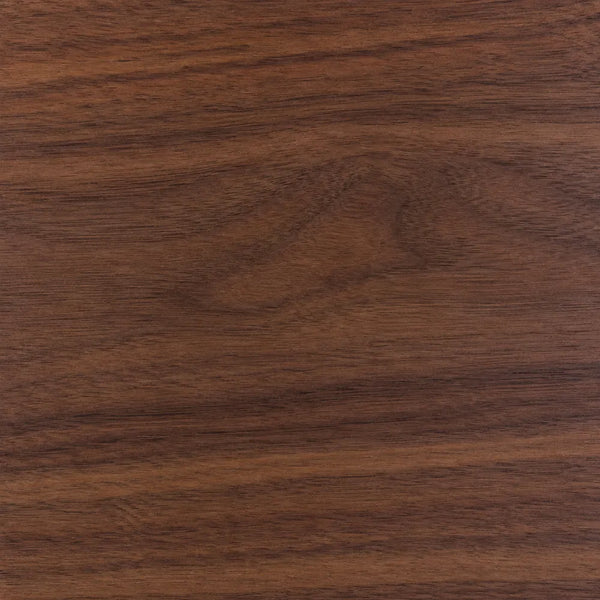
Walnut
Walnut doesn't ask for attention. It already has it. Deep chocolate brown with a quiet authority that settles a busy room rather than competing with it. It's the wood we reach for when a piece should feel like it has always belonged there.
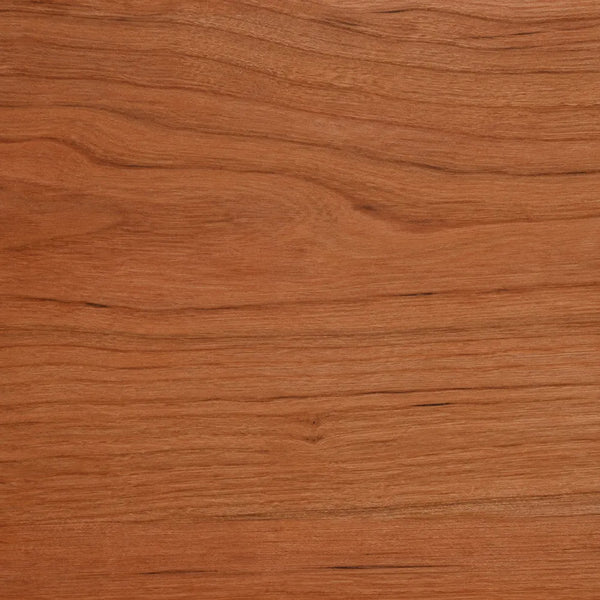
Cherry
Cherry is the only one that keeps changing after it leaves our shop. It starts warm and gets richer every year, especially in sunlight. If you like the idea that your home should tell time, cherry rewards patience.
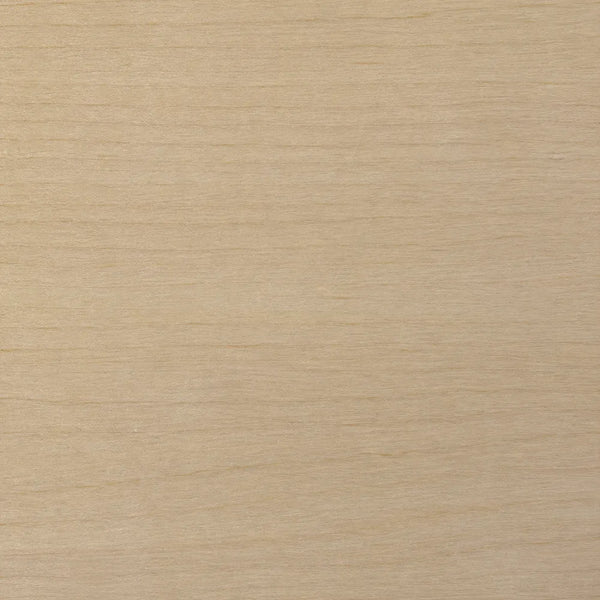
Maple
Maple lets everything around it do the talking. It brings light into a darker room without demanding attention, and the finish leaves it with a soft honey tone instead of a pale, unfinished look.
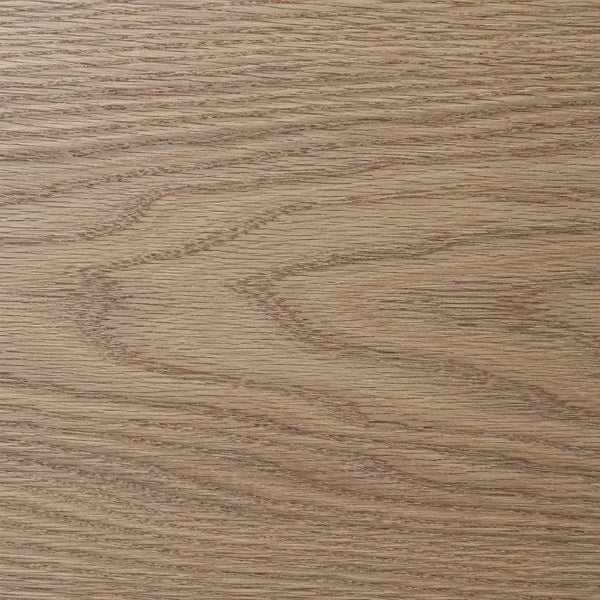
White Oak
White oak has structure. The grain is more pronounced, the lines more confident, and it sits naturally against modern rooms and black hardware. If walnut feels quiet, white oak feels intentional.
Specifications
Every measurement has a reason.
In the box
- One Roundabout knife block
- Care instructions
- Knives not included
Frequently asked questions
Fair questions about a handmade knife block. If yours isn't here, email us and Richard will answer it himself.
What knives does Roundabout hold?
Each slot runs the full depth of the block, so a long blade sits down inside rather than standing proud.
Will a long bread knife fit?
Does a wooden knife block dull the edge?
The habit that matters more than the block is how you put a knife away: let it drop in on its own weight instead of pushing down on the edge.
What does "coopered" mean?
It is the same technique used for a curved cabinet door. Carving that shape out of a thick slab would cut through the grain and leave weak, short fibers on the face.
Will the curve move or crack over time?
Keep it off a windowsill in direct sun and away from the dishwasher door where it catches steam, and it will be fine.
Can you build one around my own knives?
Yes. Different knife counts, longer blades, a wider slot for a cleaver, or a specific wood. Tell us what you own and we will come back with a layout and a price.
Where are your knife blocks made?
Why does this cost more than a knife block from a kitchen store?
You are not paying for the wood. You are paying for the hours in the curve.
Will it work with Japanese knives?
If you own a longer gyuto or a wide nakiri, tell us and we will size the slots to them.