
Handmade in Alabama
Wood Propagation Stations & Vases
Handmade propagation stations and propagation vases in solid hardwood and glass, designed for rooting plant cuttings and bringing a little more green into the room.

Aquarius — Spalted Maple Propagation Vase
Complimentary shipping
Included on all propagation vases.
Built in Alabama
Made in our studio, not sent out to a factory.
Made one at a time
The hands that build it are the hands that pack it.
Questions? Ask us
You'll hear back from the people who make the piece.
FOR SHELVES, DESKS & WINDOWSILLS
Tabletop Propagation Stations
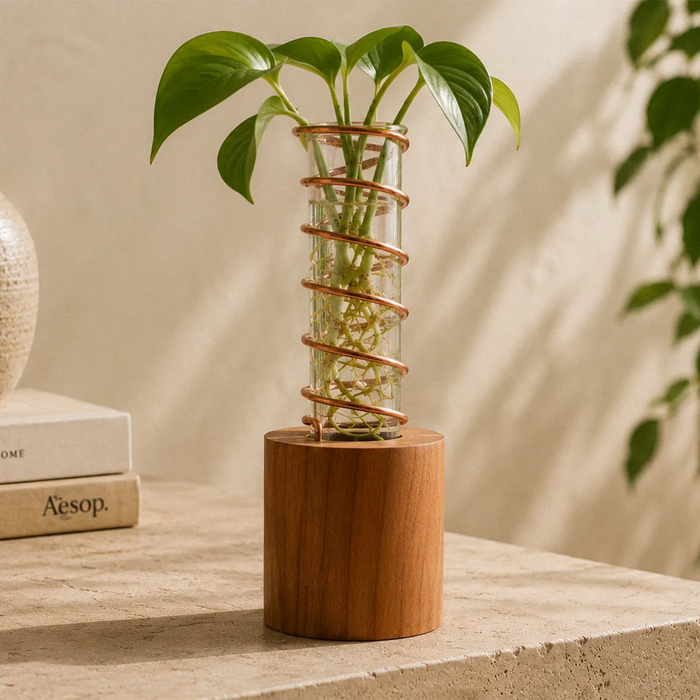
Lean on Me
Hand-turned hardwood, oversized glass and a copper spiral formed by hand by Asha.
White Oak ·Cherry ·Walnut
$86.00

Will It Go Round in Circles
A softened square of solid hardwood built around a removable glass propagation tube, made from offcuts left from our custom furniture work.
Walnut ·Maple ·Cherry ·White Oak
From $64.00

Daydream Believe
Cherry ·White Oak ·Walnut ·Hard Maple
$78.00
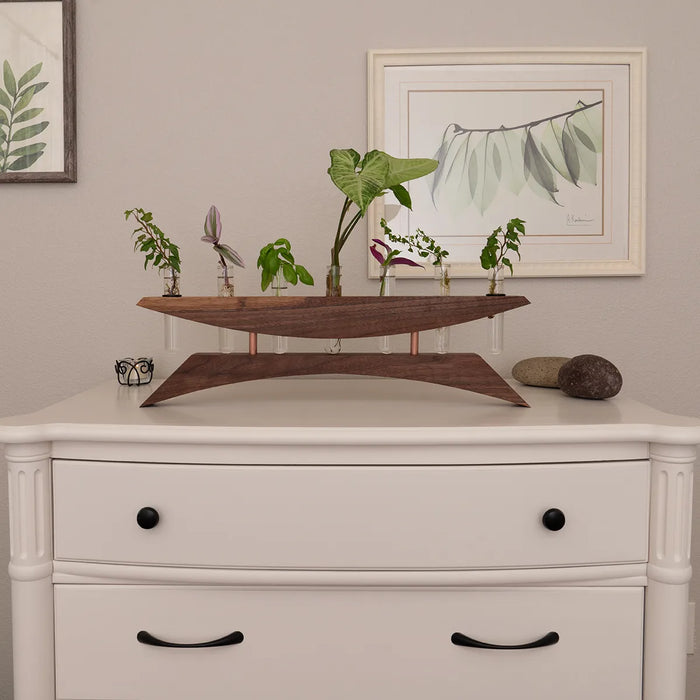
East of the Sun
this is a card blurb
Walnut ·Cherry ·Maple ·Oak
From $189.00

California Dreamin’
this is a crad blurb
Walnut ·Cherry ·Hard Maple ·White Oak
$76.00

Into the Mystic
$44.00

PLANT PROPAGATION, MADE BY HAND
Solid Hardwood Propagation Stations
Designed for rooting plant cuttings in water, each piece pairs solid hardwood with removable glass tubes and a form meant to live in the room.
FOR WALLS, NO COUNTER SPACE REQUIRED
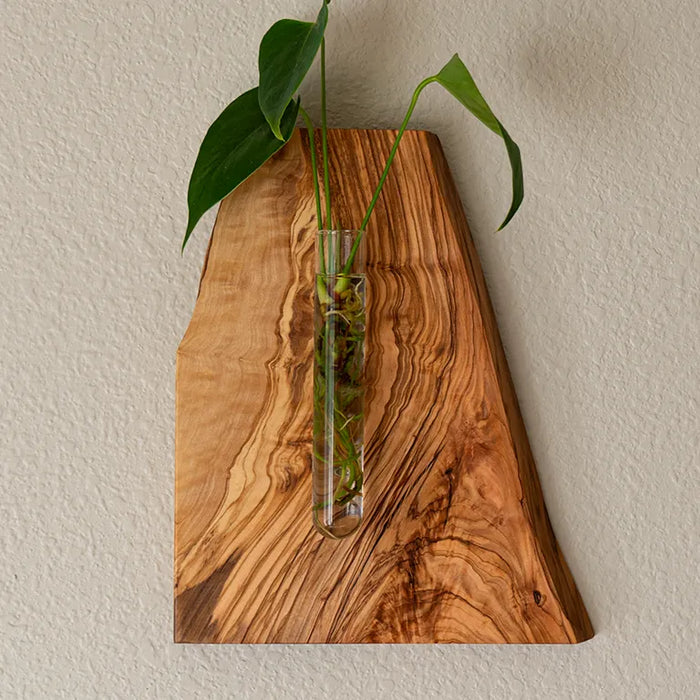
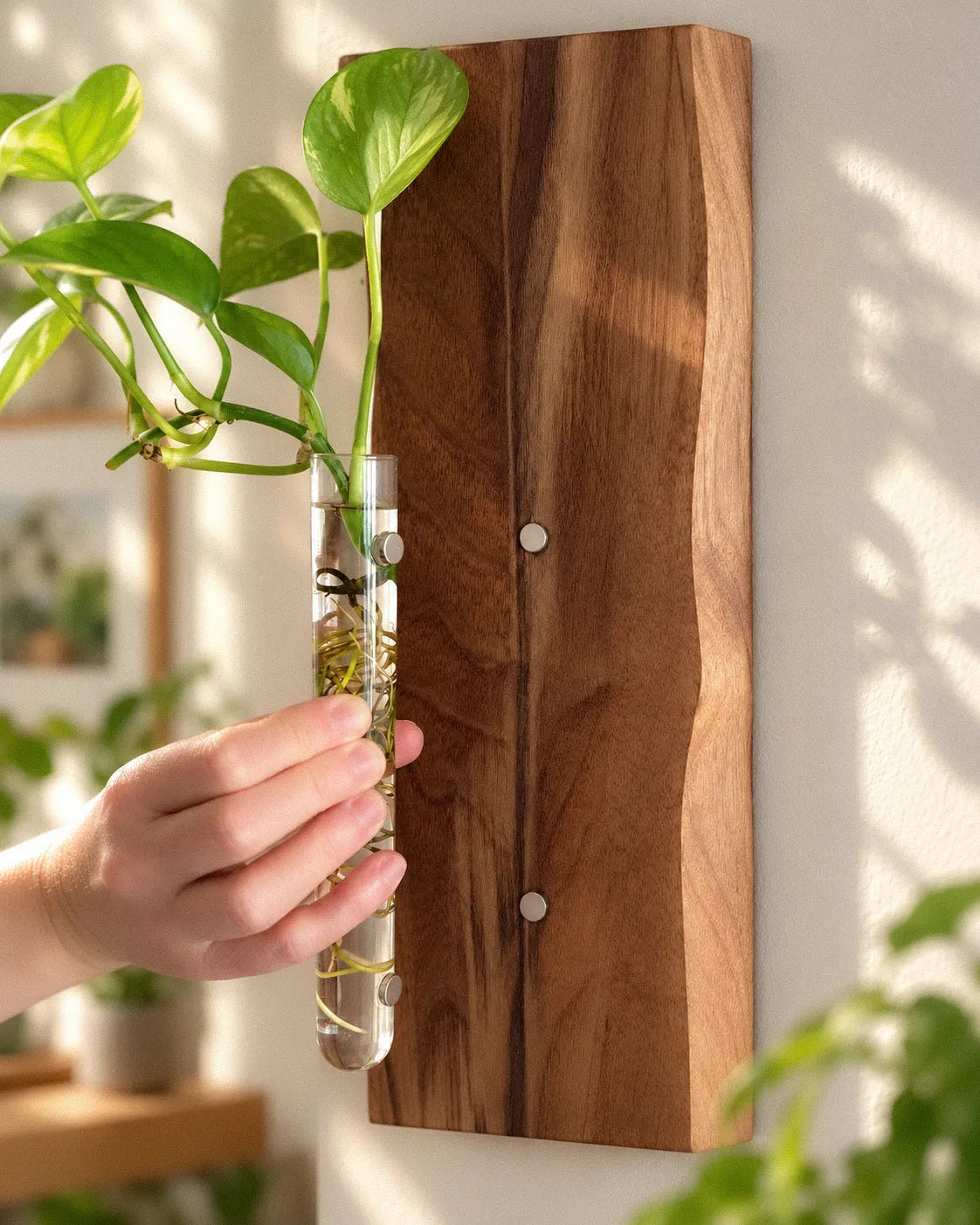
Wall-Mounted Propagation Vases



MADE FOR GROWING
A Better Home for Plant Cuttings
Propagation stations do a simple job well: they hold plant cuttings in water while new roots develop.
We make ours from solid hardwood and removable glass tubes, with designs ranging from small tabletop pieces to larger wall-mounted and sculptural forms.
The clear glass makes it easy to watch the roots grow, change the water, and move a cutting to soil when it is ready. If you want to know more about how these pieces came out of the furniture studio, read our story about handcrafted propagation vases.
REMOVABLE GLASS TUBES
Easy to refill, clean, and replace.
SOLID HARDWOOD
Walnut, cherry, maple, white oak, and other woods chosen for the individual design.
MADE FOR REAL SPACES
From a small shelf or desk to a wall-mounted piece that becomes part of the room.
FROM OUR BIRMINGHAM STUDIO
Made One at a Time
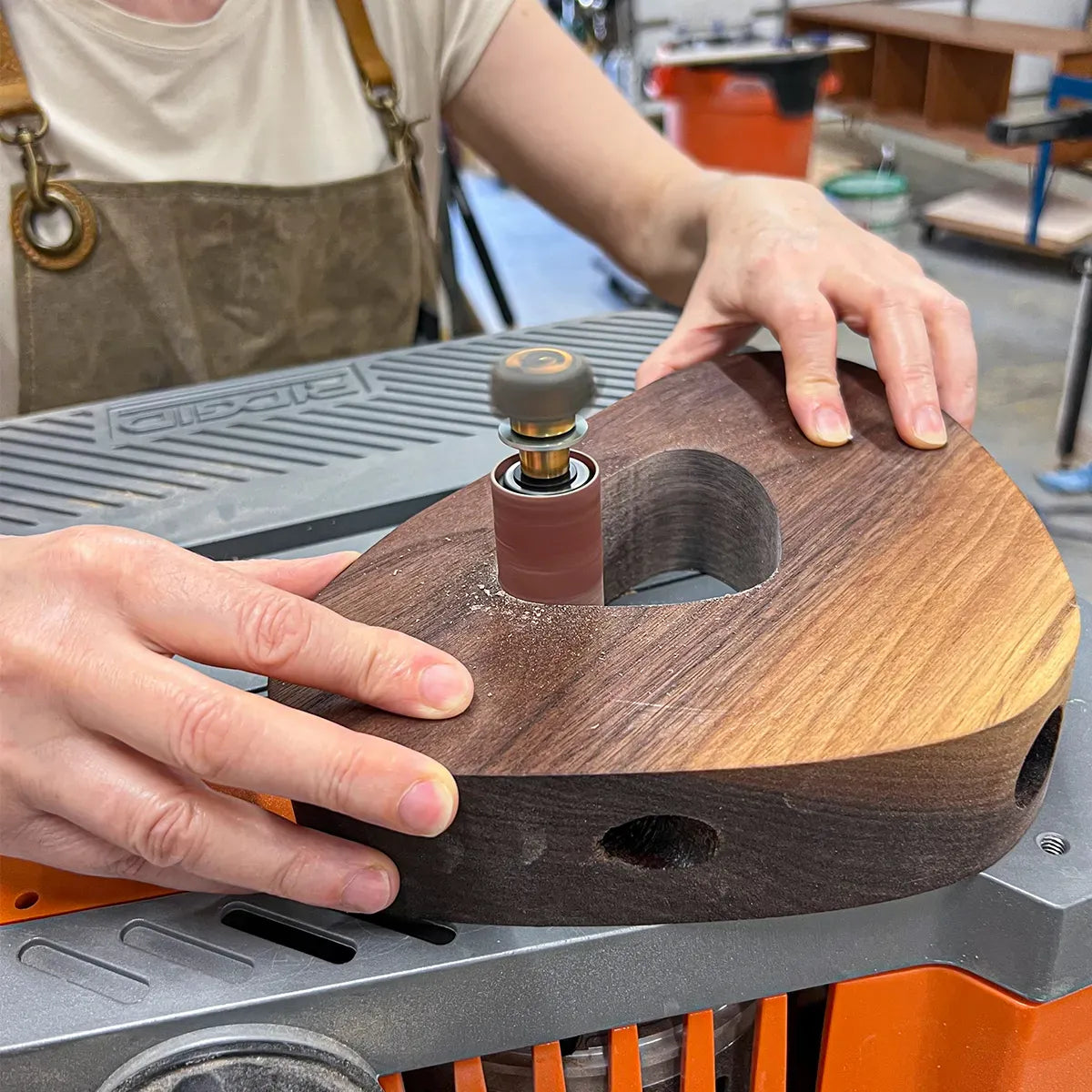
Every propagation station is made in our Birmingham, Alabama studio from solid hardwood, glass, and a small handful of carefully chosen hardware.
We cut, shape, sand, finish, and assemble our work by hand. Read more about our craftsmanship and how we build each piece.
Asha and Richard make the work in small batches and one-off designs, with music playing in the studio and plenty of sawdust on the floor. Meet the makers behind Dovetails & Stitches.
FOR WHEN THE PLANTS BECOME PART OF THE ROOM
Statement Propagation Pieces
THE DOVETAILS STANDARD
What leaves our shop carries our name.
We build in small numbers, answer our own email, and put our hands on every piece before it leaves. These are the standards we hold ourselves to, no matter what we're making.
Solid hardwood
For our propagation pieces, that means real hardwood chosen for the way the piece is built, used, and meant to age.
Built around the glass
Openings, spacing, and hardware are fitted to the glass tubes they hold, not treated as an afterthought.
Finished to last
Each piece is shaped, sanded, and finished by hand before it leaves our Birmingham studio.
Made for real rooms
These pieces have to work with plants, water, shelves, walls, and everyday handling, not just look good in a photograph.
Good to Know
Plant Propagation Questions
Answers to common questions about propagation stations, propagation vases, plant cuttings, glass tubes, placement, and care.
What is a plant propagation station?
A plant propagation station holds cuttings in water while they develop new roots. Most use clear glass tubes or vessels so you can watch root growth and move the cutting to soil when it is ready.
What is the difference between a propagation station and a propagation vase?
The terms are often used interchangeably. A propagation vase usually refers to the glass vessel itself or a smaller decorative piece, while a propagation station may hold one or several glass tubes in a wood stand or wall-mounted frame.
How do you use a propagation vase?
Place a healthy plant cutting in the glass tube with the lower stem or node in water and the leaves above the waterline. Keep the water fresh and move the cutting to soil once it has developed a healthy root system.
Should I choose a tabletop or wall-mounted propagation station?
A tabletop propagation station works well on a windowsill, shelf, desk, or counter and can be moved easily. A wall-mounted propagation station keeps surfaces clear and turns the cuttings into part of the room.
Are the glass tubes removable?
Yes. The glass tubes in our propagation pieces are removable, making them easier to refill, clean, and replace if necessary.
What plants can I grow in a propagation station?
Many common houseplants can be propagated in water, including pothos, philodendron, monstera, tradescantia, and similar plants that root readily from stem cuttings. The cutting should have an appropriate node or growth point for the plant being propagated.
How do I care for a wood propagation station around water?
Wipe up spills rather than allowing water to sit on the wood. Our propagation stations are finished for normal household use, but like any solid-wood object, they will last longer when they are kept from prolonged standing water.
Where should I place a propagation station?
A bright location with indirect light works well for many plant cuttings. Tabletop propagation stations are especially useful on windowsills, shelves, and desks, while wall-mounted designs work well where counter or shelf space is limited.