


The Dovetails standard
What leaves our shop carries our name.
We build in small numbers, answer our own email, and put our hands on every piece before it leaves. These are the standards we hold ourselves to, no matter what we are making.
- Built hereDesigned and made in our workshop. Not outsourced, white-labeled, or bought finished.
- Materials named plainlyWe tell you what a piece is made from, where it matters, and why we chose it.
- Designed for real roomsIt has to work once someone lives with it, not just look good in a photograph.
- Clear expectationsWe tell you what is in stock, what is made to order, and when it should leave the shop.
- We make it rightIf something arrives damaged or is not as it should be, we take care of it.
For this piece
- Built by hand in our studio
- Ten hardwood choices
- Brass or nickel candle cups
- Signed by the maker
- Fits standard Hanukkah candles
- Complimentary continental U.S. shipping

The piece
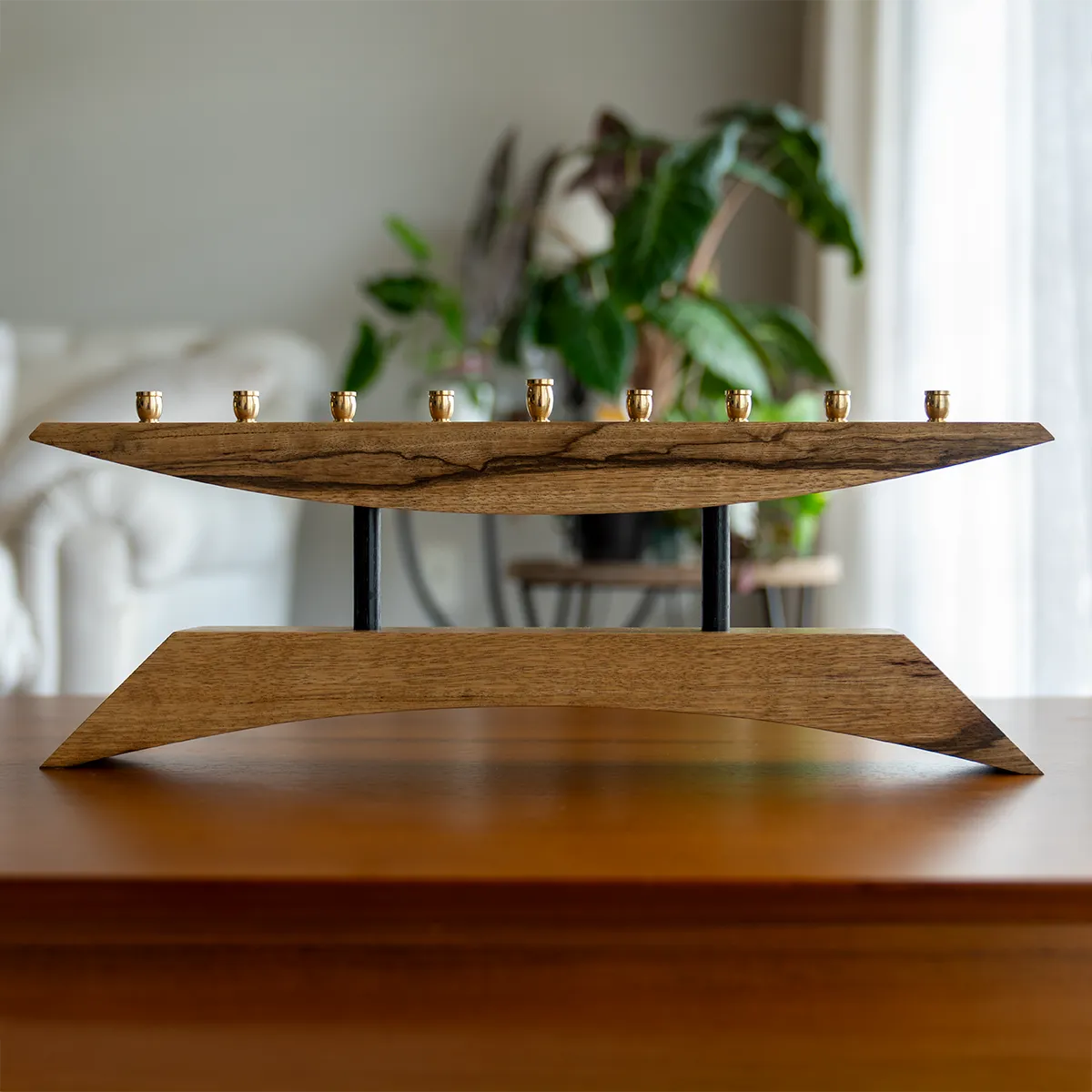
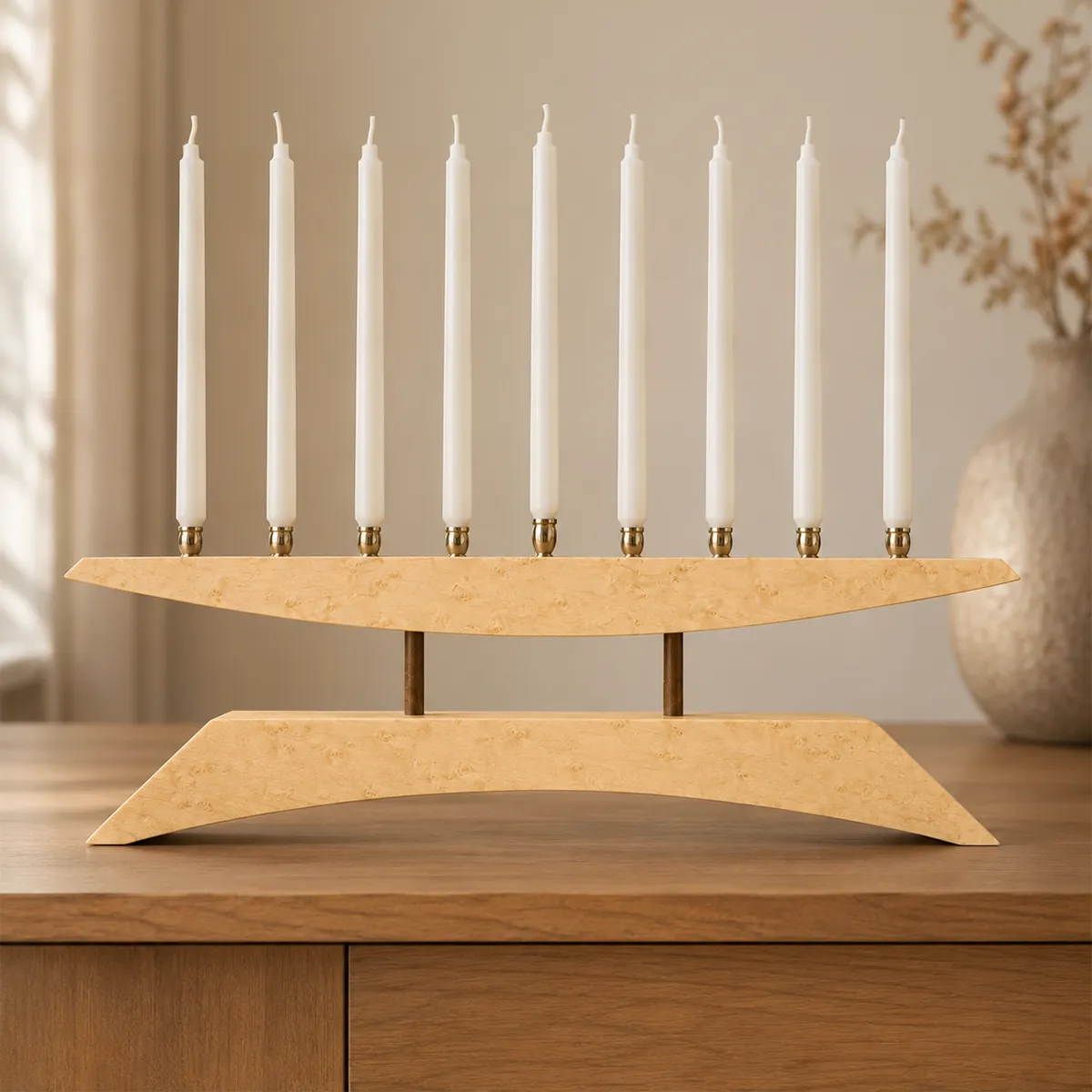
Shaped by balance, restraint, and feeling
Heirloom, reconsidered
The same silhouette. A different character.
We wanted something that still felt unmistakably like a menorah, but also like an object you might leave out long after Hanukkah. Something with enough presence to matter, without needing ornament to do the work.
Getting there meant taking things away. Extra height. Extra detail. Anything that felt decorative simply because it could be. We kept working the shape until what was left felt balanced: the long curved line, the rhythm of nine cups, the open space between the upper rail and the base.
That restraint is really the design.
Then the wood takes over. Walnut, cherry, maple, oak, mahogany, each one changes the character of the piece without changing its silhouette. We shape and sand every menorah by hand, then finish it with a conservation-grade lacquer that protects the wood without hiding what made us choose the board in the first place.
Brass or nickel cups add just enough contrast. When the candles are lit, they catch the light. The rest of the year, the menorah simply gets to be what we hoped it would be from the beginning: a beautiful object worth leaving out.

One silhouette — the shape holds across every wood.
Shop note
Walnut makes it quieter. Cherry warms it up. Maple feels lighter and more architectural. Oak brings more grain to the surface. Same curves, same proportions, same piece. But never quite the same menorah.
That is one of the reasons we still make them one at a time. The wood gets a say.
Choose your hardwood
Same silhouette. Same light. Your grain.
The only choice left is which wood carries it.

Ambrosia maple
The grey-brown streaking is the whole point: it runs through pale maple like weather, and no two boards carry the same pattern. Choose it if you want something a little wild.

Birdseye maple
The same color and finish as maple, but scattered with tiny swirled "eyes," a rare figure that can't be made on purpose, only found. Quiet from across the room, hypnotic up close.

Black Limba
Pale gold shot through with dramatic dark streaks, almost like ink pulled along the grain. The boldest, most graphic wood we offer.
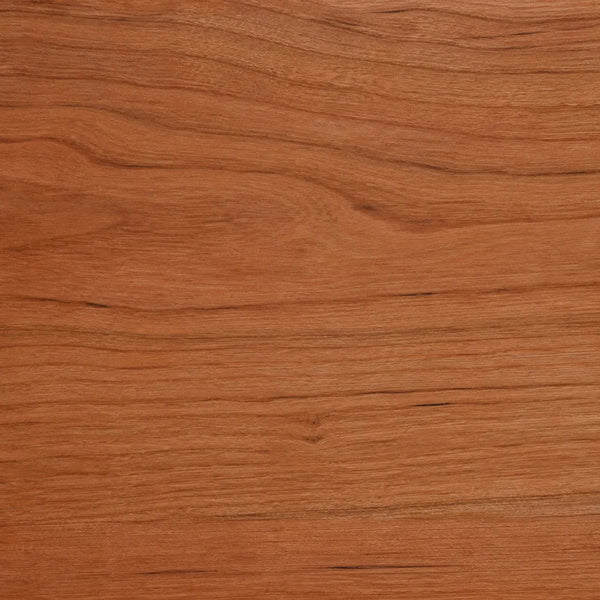
Cherry
Cherry is the only one that keeps changing after it leaves our shop. It starts warm and gets richer every year, especially in sunlight. If you like the idea that your home should tell time, cherry rewards patience.

Dark Oak
White oak taken deep and smoky. It keeps oak's confident grain, but the color goes to coffee and shadow — grounded and easy to live with.

Dark Mahogany
Mahogany's red pushed to its darkest register: deep, even, and formal, with a ribbon in the grain that shifts as the light moves.

Mahogany
Mahogany is what furniture meant before the word got cheapened. Even, deep, and quietly red, with a ribbon in the grain that shifts as you move past it. It doesn't shout heirloom. It just is one.
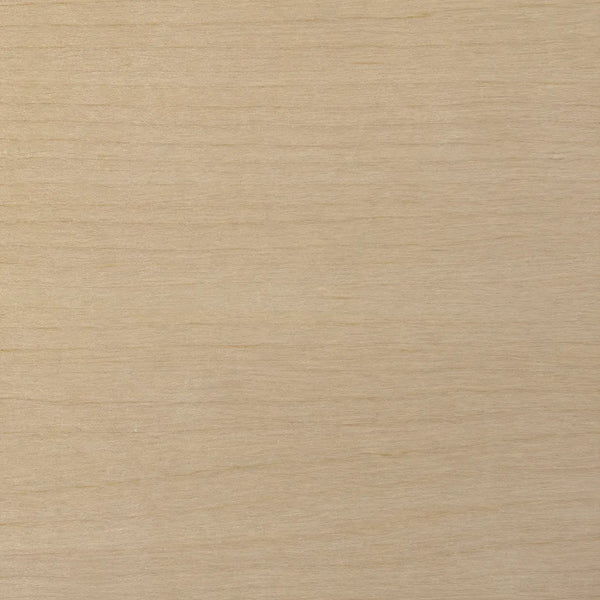
Maple
Maple lets everything around it do the talking. It brings light into a darker room without demanding attention, and the finish leaves it with a soft honey tone instead of a pale, unfinished look.
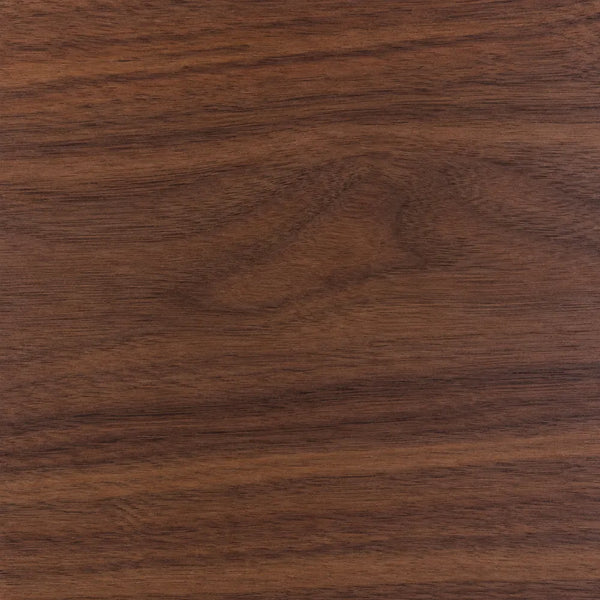
Walnut
Walnut doesn't ask for attention. It already has it. Deep chocolate brown with a quiet authority that settles a busy room rather than competing with it. It's the wood we reach for when a piece should feel like it has always belonged there.
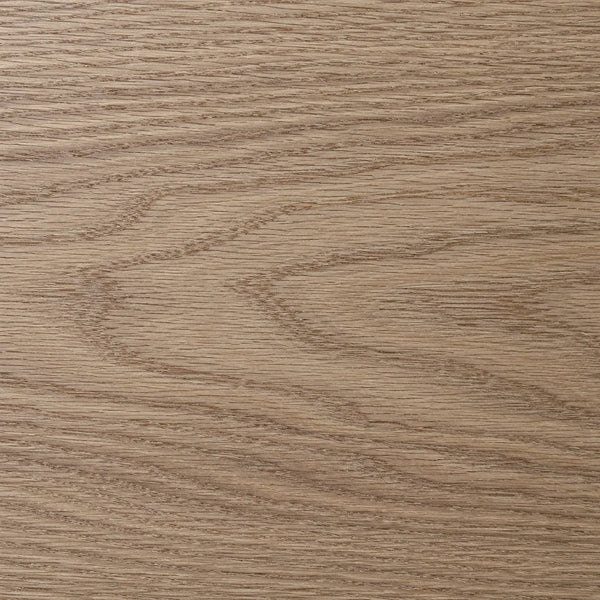
White Oak
White oak has structure. The grain is more pronounced, the lines more confident, and it sits naturally against modern rooms and black hardware. If walnut feels quiet, white oak feels intentional.
After each use, wipe gently with a soft cloth. Let wax cool before removing. The protective finish is built for long-term durability — just don't immerse it in water.
Specifications
Every measurement has a reason.

| Length | 18" |
|---|---|
| Height | 5 1/2" |
| Thickness | 2" |
| Weight | Varies by hardwood |
| Lights | Eight plus a raised shamash |
| Cups | Nine, solid brass or nickel |
| Shamash | Raised at center |
| Construction | Two-piece solid hardwood |
| Stanchions | Ebony-dyed oak, 1/2" diameter |
| Material | Ten hardwoods |
| Finish | Conservation-grade lacquer |
| Built | One at a time |
In the box
- East of the Sun menorah
Frequently asked questions